
Some tips from the coach
How to get further with an EV
To maximize your electric car's range and minimize energy consumption, there are many tricks you can use. Some are simple and some are more difficult or even extreme. Lets go!


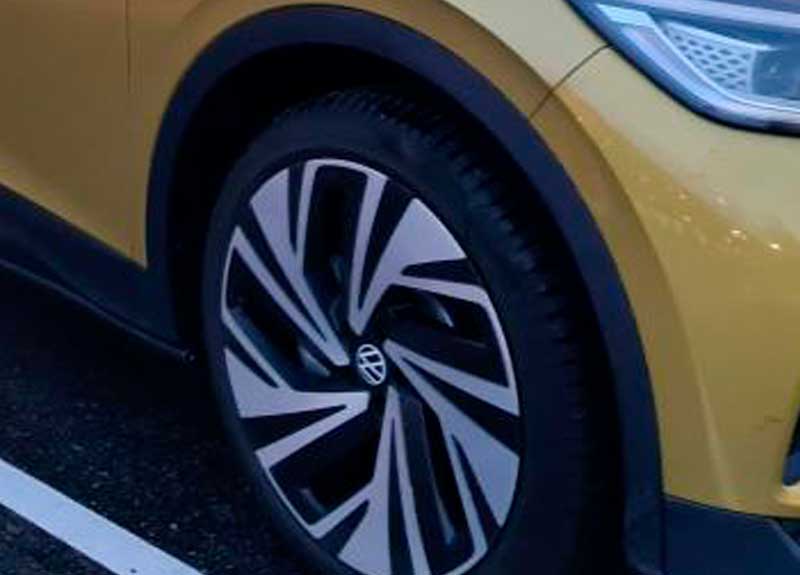
The size of the rims do matter
Driving style and charging
Besides the size of the rims, your driving style and how smart you charge can be the most decisive factor.
FROM SIMPLE TO EXTREME

RIM SIZE
The size of the rims plays a big part. Many electric cars have large rims, really large even. Sure, it's nice to look at. But to maximize range and reduce consumption, it's a good idea to use smaller rims if possible.

RIM DESIGN
The design of the rims can also play a role. Even tire pressure can make a difference, adding a few extra bars to the tires can make the car roll more smoothly. It is also said that tires that are more worn can affect fuel consumption for the better, compared to brand new tires.

Smart charging
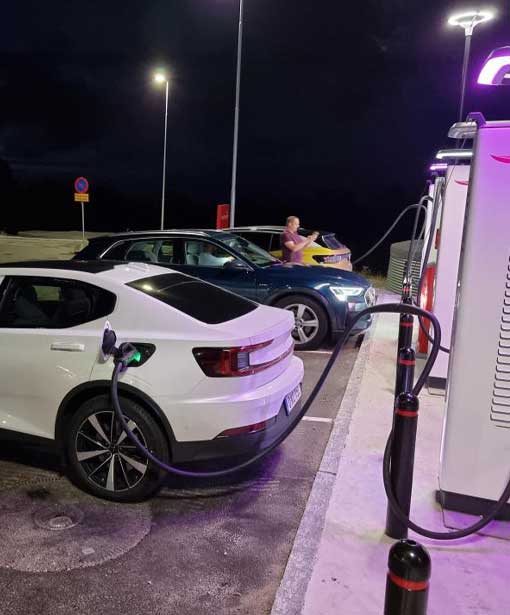
It is very important to keep track of your charging. Perhaps the charging speed drops quickly after 50–60% SOC. Then it may be better to drive on to the next charging point instead of staying put and slow charge.
Some cars charge quickly from 1–2% SOC, while others may only start charging quickly around 10%. Get to know your vehicle's charging behavior!
Some cars charge quickly from 1–2% SOC, while others may only start charging quickly around 10%. Get to know your vehicle's charging behavior!

Slip streaming
Slipstreaming is another thing that can make a difference. Staying close behind another vehicle, which gets a lot of the headwind, can also help.

REDUCE THE LOAD
Unnecessary cargo should also be considered if you really want to cut consumption further.

Driving style
Your driving style do matter. Lower speed means lower fuel consumption. But during SECC this has only been used in emergencies, as you rarely want the total time to be affected.

TURN OFF THE AC
The AC also draws power. If it can be turned off, a lot of power can potentially be saved.

The final touch
We've even had participants tape over various gaps over the years to chase that last one. Or fill the back seat with mattresses to reduce the amount of air needed to heat the cabin.